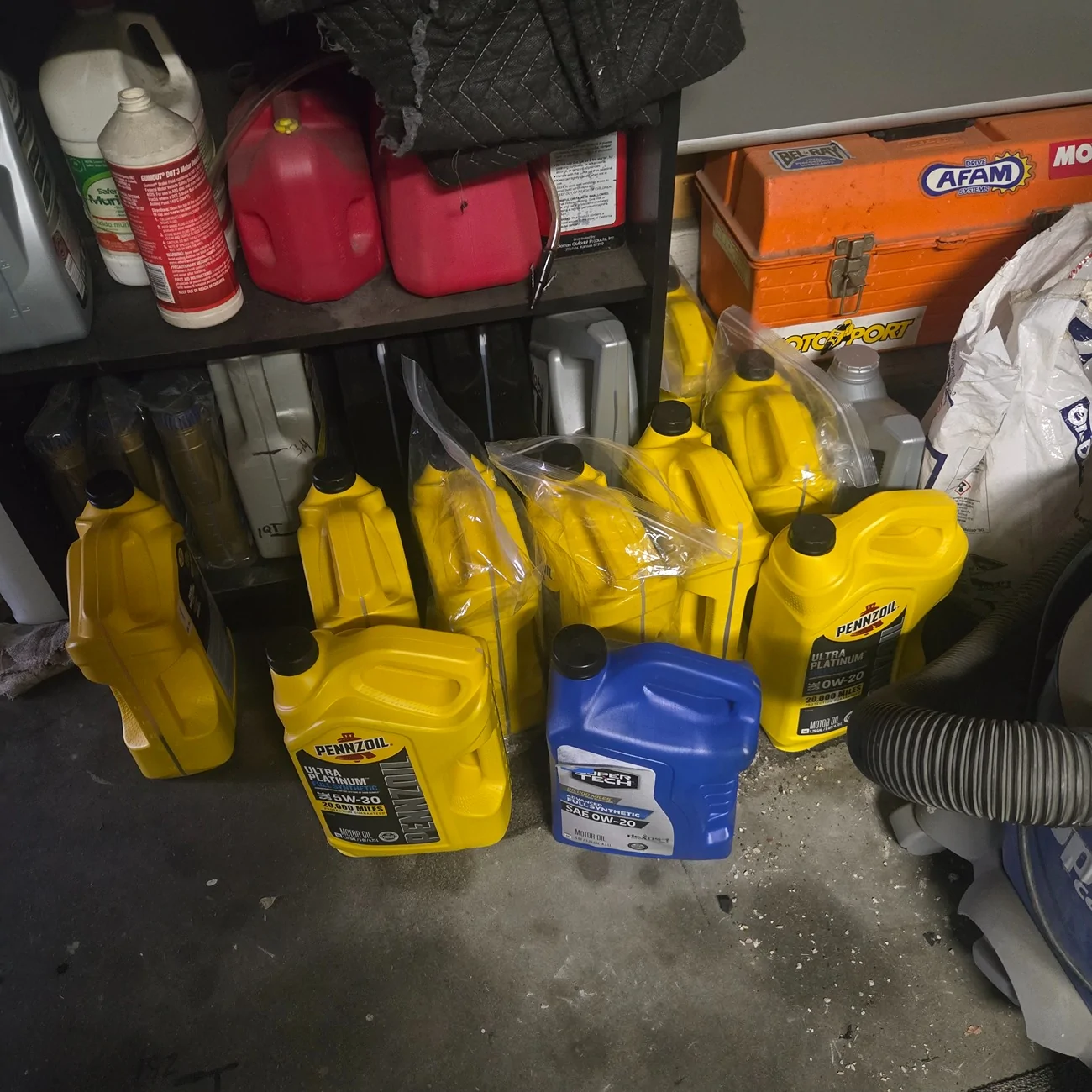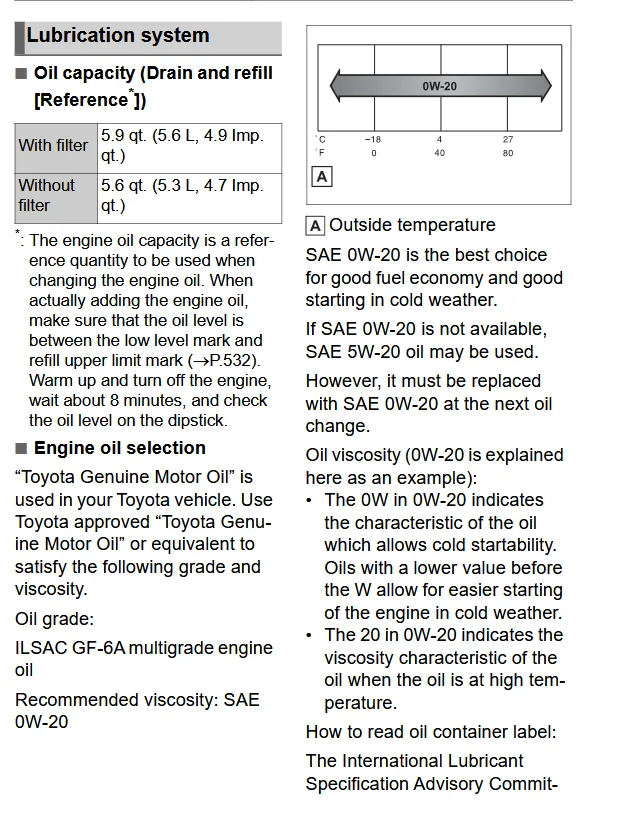

Again, Toyota does not give any sort of specification beyond "use 0w-20 in normal conditions".My oil-selection plan is:
Identify "Tier 1" oils — Oils that specifically meet and retain Toyota certification for this engine. These are the baseline oils.
Chiefly:
API SP
ILSAC GF-6A/GF-6B, depending on manual
Any Toyota-specific requirement if listed
Purpose: establish warranty-safe, no-argument baseline.
"Tier 2" — Oils engineered and manufactured to meet the Toyota specification, but do not necessarily carry the endorsement or certification. Examples could include major-brand synthetics that meet or exceed the required API/ILSAC spec, but are chosen for better published data:
lower NOACK
stronger HTHS
better oxidation resistance
stronger approvals
better turbo deposit control
Purpose: improve margin while staying very close to the official recommendation.
"Tier 3" oils — Engineering candidates
This is where 5W-30 enters the comparison. Also oils that by way of their specifications will likely result in continued satisfactory operation.
These may not be the exact North American Toyota recommendation, but they are still rational candidates if supported by:
same engine using similar viscosity elsewhere
API SP or strong gasoline-engine approvals
good cold-flow specs
higher HTHS
low volatility
strong oxidation/turbo performance
Purpose: determine whether a high-quality 5W-30 or other 0W-20 oils offers meaningful protection benefit without unacceptable cold-start or other detrimental tradeoffs. Parameters that matter most
For the 2.4L turbo hybrid, I’d prioritize:
API/ILSAC certification - Baseline gasoline-engine suitability and warranty defensibility
HTHS viscosity - Film strength under turbo/high-load/high-temp conditions
NOACK volatility - Less vapor loss, fewer deposits, better turbo/intake cleanliness
Oxidation resistance - Important for turbo heat and longer OCIs
KV100/KV40 - Shows actual viscosity, not just label grade
CCS/MRV/pour point - Cold-start pumpability in Maine winters
SAPS/phosphorus - Relevant for catalyst/GPF/emissions-system protection
TBN/TAN retention - How well the oil survives service
Shear stability - Whether it stays in grade after use
OEM approvals - Useful secondary evidence of formulation robustness
UOA validation - Run the plan through oil analysis, not forum theory.
My sequence:
Factory fill / early change around 1,000 miles.
Second interval around 5,000 miles and UOA.
Tracking:
fuel dilution
viscosity at 100°C
oxidation
nitration
iron/copper/aluminum
insolubles
TBN/TAN
If 0W-20 stays stable and wear is low, keep using a Tier 1/2 oil.
If fuel dilution, thinning, or oxidation show up, move to a Tier 3 5W-30 candidate and compare UOA results.
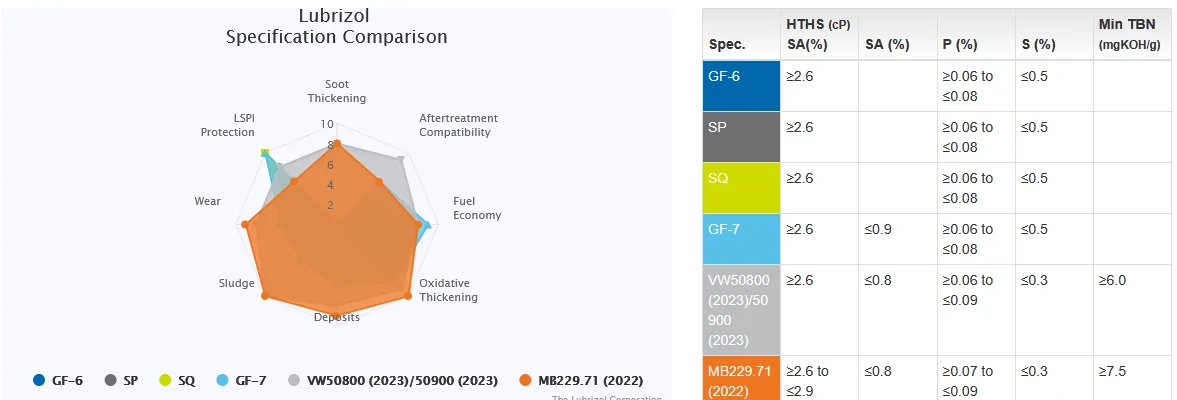
You have a good plan here, but the German auto builder specifications will exceed/trump anything you find in the API, JASO, or ILSAC worlds.
VW 508 is one of, if not THE, toughest specification to meet in the 0w-20 segment.
E.g. here is a supercharged 3.0 V6 Audi run on VW508 oil for 10,000mi : https://bobistheoilguy.com/forums/t...19-960mi-2021-audi-s4-ea839-3-0-turbo.377876/
Mobil 1 0w-20 ESP is available at Walmart for like $26 / 5qts
Sponsored