
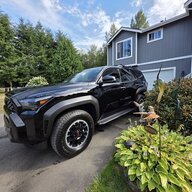

My last SUV was a 2011 Nissan Armada with 146k miles and only had premium. I'm paying less for gas now because of the smaller gas tank and better milage with the 4Runner. So continuing to put premium in the tank is a no brainer to me.
Sponsored

I did the same test on my 25 4R, idling is smoother and throttle response is better too.Our '25 4Runners are tuned to run on a regular gas. The Land Cruiser, which has the same engine requires premium. I decided to make a comparison. Last week went to Costco and filled up with Premium gas. After driving the car for a few days, noticed two things:
First the engine had more power, and second, it runs slightly smoother. The engine noise is less raspy. Will run Premium until the car gets to 2-3000 miles so I forget the old way, and will go back to regular to see if there is any difference.
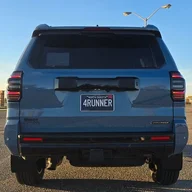
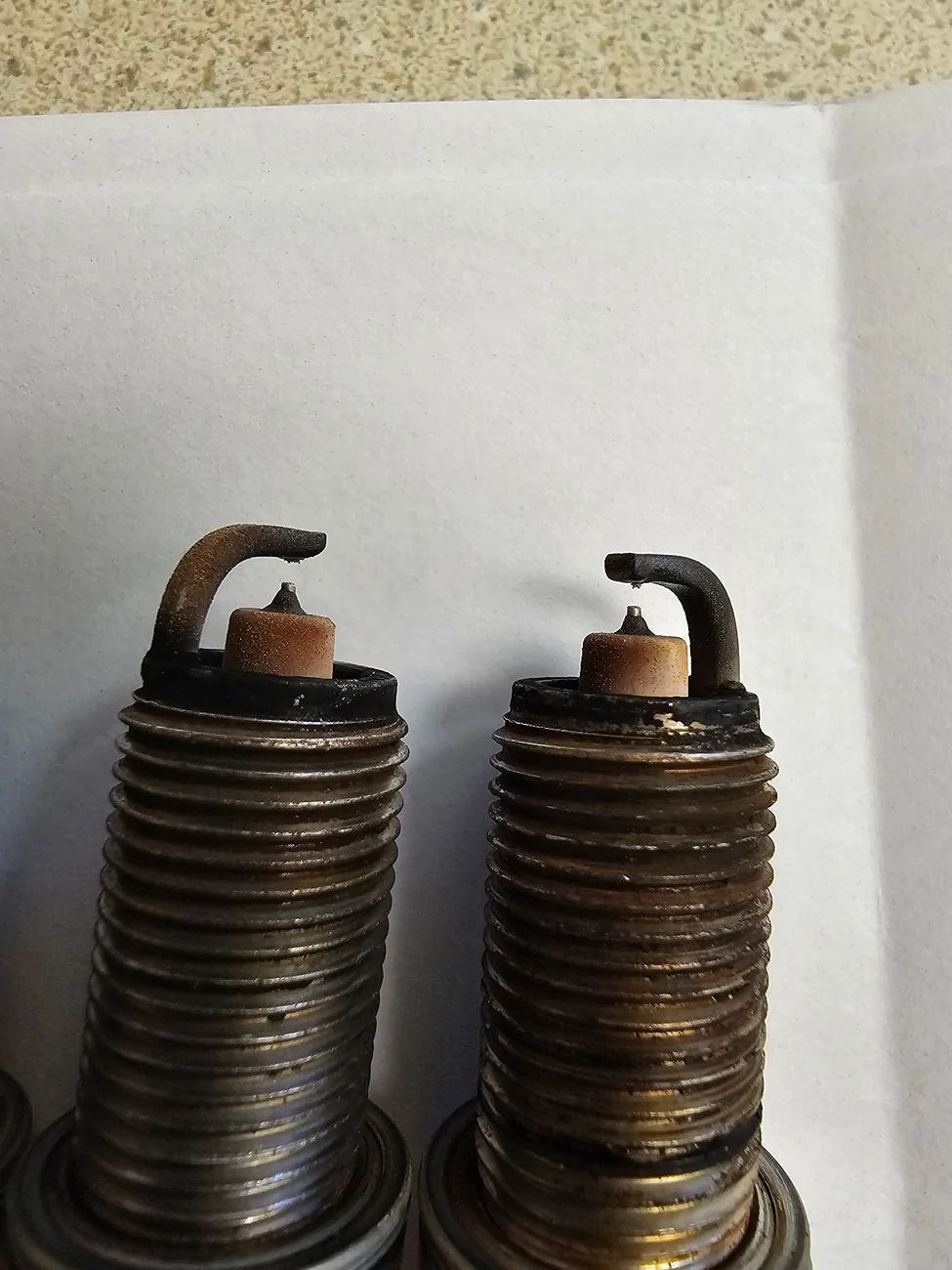
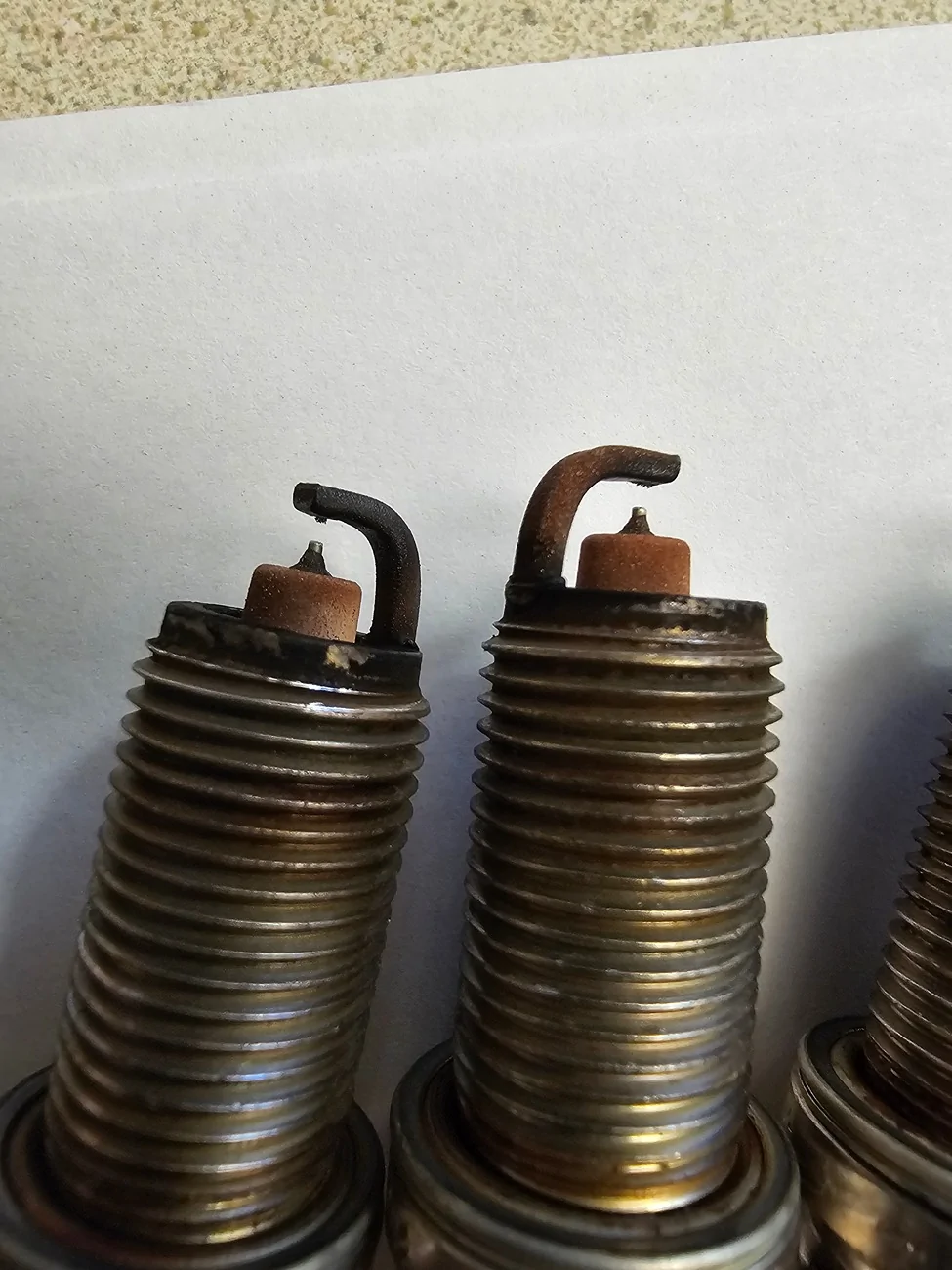
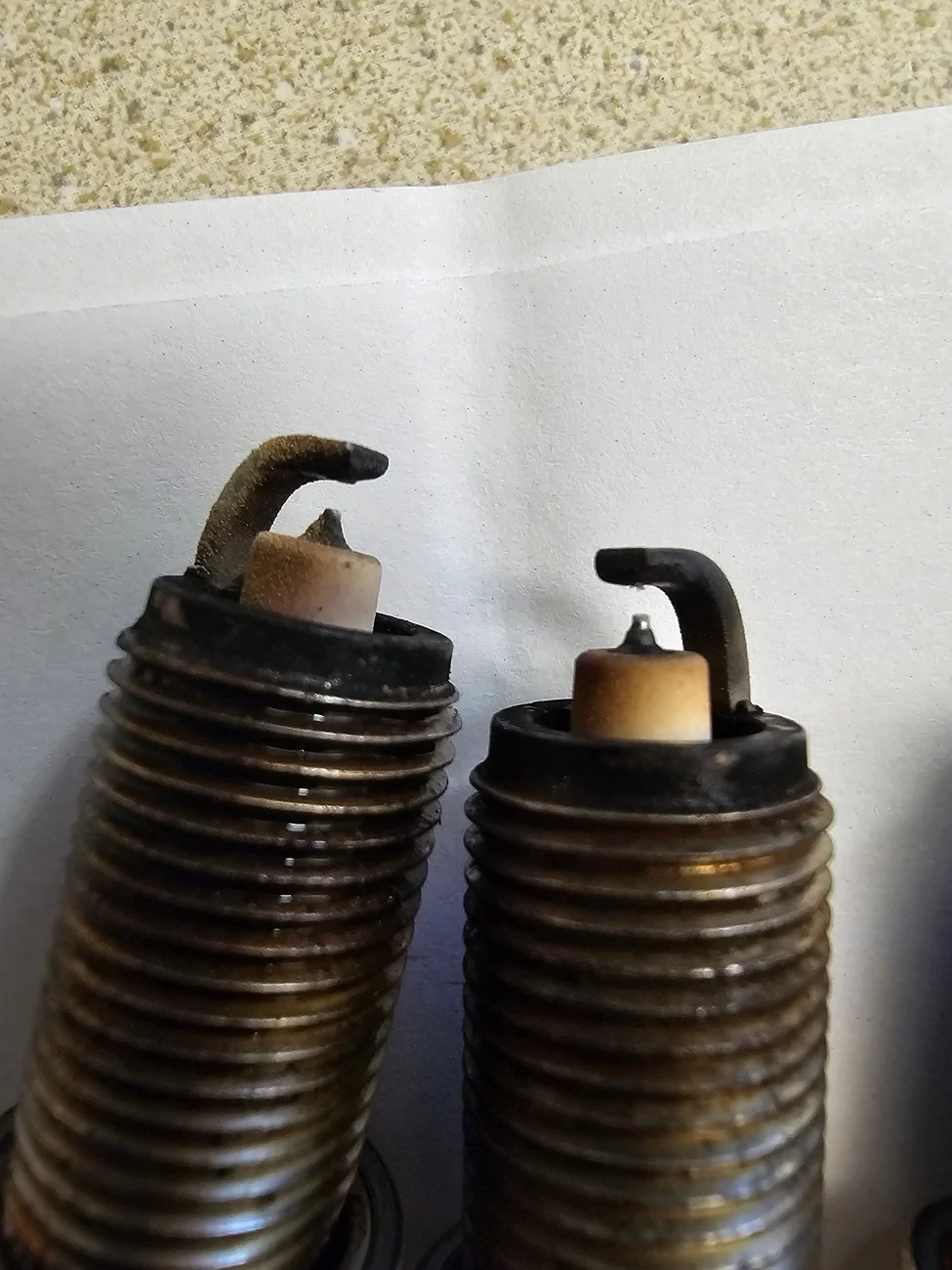
oil changes (5k max and 3k for those die hards) and spark plug replacement. the owner manual states 40k spark plug replacements if i remember correctly for the new turbo engines. my 2014 n/a engine i went like 106k on the oem spark plugs and i could have gone longer when i had them pulled.The decision to recommend 87 in the 4runner is 100% dictated by the marketing team. Requiring 91 in a vehicle kills a segment of consumers. Land Cruiser consumers are considered upmarket and are not generally deterred by the Premium fuel requirement.
The high compression ratio of this engine will absolutely benefit from a higher octane. Whether that additiona cost is worth it to you would be a personal choice.
For me I dont care about fuel cost as it is a significantly tiny part of my budget. I care about performance and longevity so any small thing I can do to improve those I will do.
Plus my other vehicles "require" premium so it simplifies fueling up.
Ultimately I think oil change interval will matter a lot more than fuel grade though. I plan on doing 3k mile intervals simply for peace of mind that the turbo will benefit from them. Plus oil and filters are cheap.

This literally isnt true. Multiple dynos prove this engine gets 20 more hp using 91 octane.Usually the higher octane fuel allows for greater compression ratio - which may be buried somewhere in the engine specs. That in turn results in greater power.
The pinging sound is preignition (the lower grade fuel igniting before the plug fires). Newer engines can sense this and detune to prevent damage. Higher compression engines run much higher pressure and temperature causing the lower octane fuel to go off early in the cycle.
Higher compression ratio is achieved with a longer piston travel or slightly different head clearance.
Basically the higher octane rating just prevents preignition and is not an indicator of the chemical potential energy of the fuel. 87 octane and 93 bought at the gas station have just about the same potential.
Claims of greater efficiency or power etc by using higher octane isn't quit realistic.
Now if you get some of the fuelie stuff at the track we are talking about a much different chemical, which would probably launch the engine heads through the hood.

the limited hybrid (lc250 1958) and platinum hybrid (lc250) are equivalent to each other, so its pretty much and apples to apples comparisonThe Land Cruiser is awd. It has to power 4 wheels all of the time, the 4runner is rwd in most trims. They likely tuned it differently to account for that.