- First Name
- Nick
- Joined
- Aug 25, 2025
- Threads
- 4
- Messages
- 130
- Reaction score
- 131
- Location
- Ft. Myers, FL
- Vehicle(s)
- 2025 4Runner TRD Off Road Premium. 2023 Ford F-150 Lariat
- Thread starter
- #1
“The Motor Oil Geek” Lake posted today a video describing the proper, according to him, break-in oil change protocol for the Toyota 2.4 turbo engine of the 4Runner, the Tacoma, the Land Cruiser, etc. I tend to trust this guy because everything he talks about is based on scientific test and makes sense both from practical standpoint and petrochemical analysis.
Summary of the key points (compiled by AI):
Engine Break-in and Early Oil Change Strategy
Engine Break-in Driving Tips
While adhering to the owner's manual advice (avoiding hard braking, towing, and extended drives at the same RPM), the speaker emphasizes the need to not "baby" the engine [02:31]:
Oil Analysis Results
The oil analysis data supports the need for early changes, confirming that engines are not fully broken in from the factory:
Science Over Speculation
The main takeaway is that while the owner's manual is a great starting point, a certified lubrication specialist should use science and data (oil analysis) to guide maintenance decisions [10:21]. If the data suggests the owner's manual schedule is not optimum, the data should be followed to ensure the engine's longest possible life [10:48].
Summary of the key points (compiled by AI):
Engine Break-in and Early Oil Change Strategy
- Aggressive Early Changes: The speaker recommends performing oil changes much earlier than the owner's manual suggests because the most wear in an engine occurs during the break-in period, and the oil filter cannot remove all contaminants [00:46].
- Recommended Schedule:
- First Oil Change: Around 500 miles.
- Second Oil Change: Around 1,500 miles.
- Third Oil Change: Around 3,000 miles (Totaling three oil changes in the first 5,000 miles) [01:10].
- Warming Up the Oil: Always drive the vehicle to get the oil warmed up before draining. This lowers the viscosity, allowing the oil to drain faster and remove more debris [01:43].
- Filter Strategy: The speaker suggests not changing the oil filter during the first two early oil changes because filters become more efficient as they get older. Changing the filter would "reset the performance," so the original equipment filter is left on until the third change [04:56].
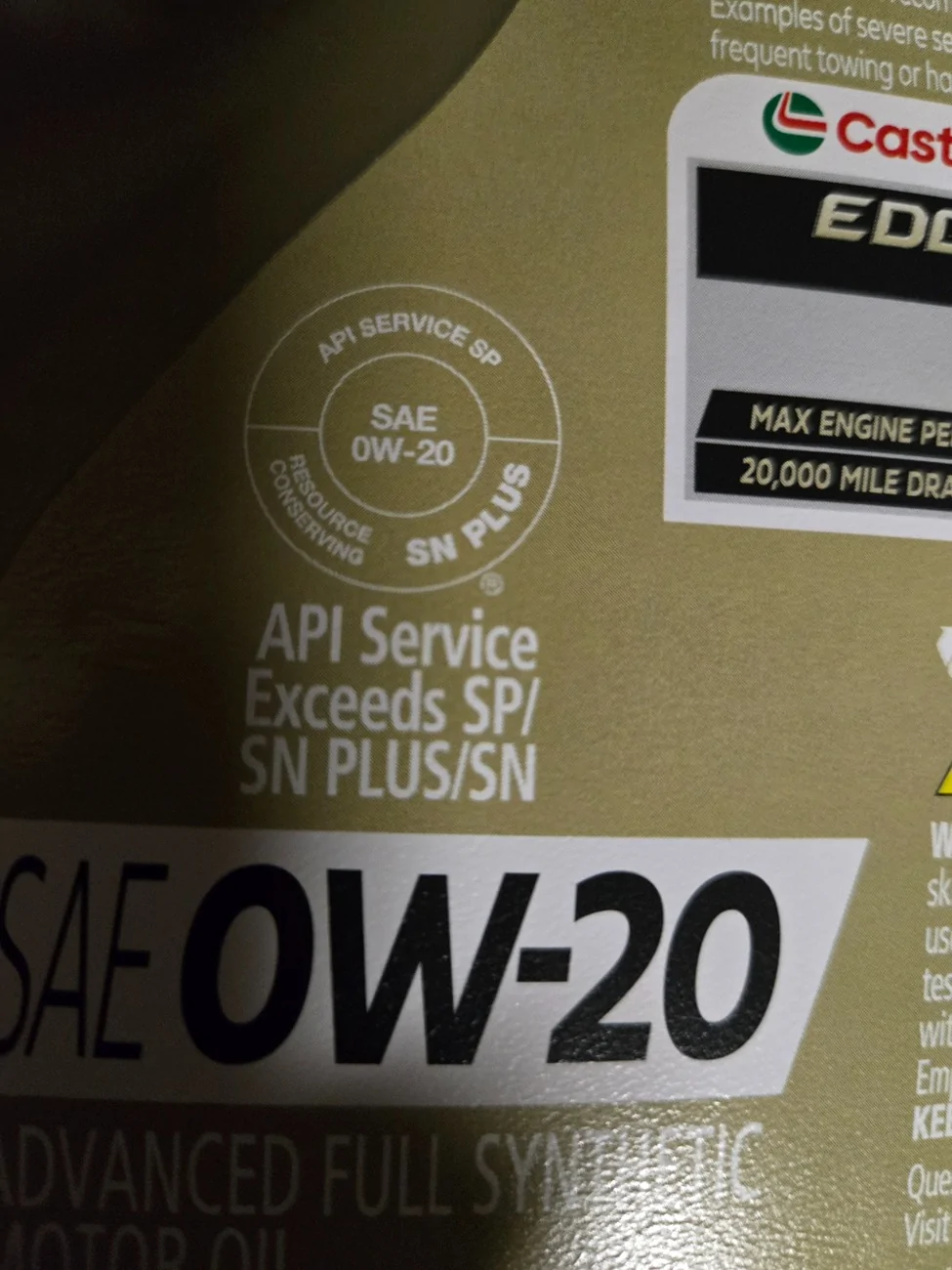
- Oil Used: Toyota's OEM 0W20 oil is used for the first changes to establish a baseline wear measurement [05:22].
- Flushing: The procedure includes pouring one quart of new oil through the engine after draining to flush out any remaining residual oil [06:01].
Engine Break-in Driving Tips
While adhering to the owner's manual advice (avoiding hard braking, towing, and extended drives at the same RPM), the speaker emphasizes the need to not "baby" the engine [02:31]:
- After the engine is up to operating temperature, you must give it some throttle [02:44].
- Reaching peak torque creates the necessary peak cylinder pressure for the piston rings to break in properly against the cylinder walls [02:57].
Oil Analysis Results
The oil analysis data supports the need for early changes, confirming that engines are not fully broken in from the factory:
- Initial Sample (487 miles): Showed high levels of silicon (from RTV sealants), copper, and a higher overall wear rate, which is typical during break-in [07:31].
- Second Sample (~2,000 miles total): Showed a "perfect trend analysis," with silicon, copper, and wear metal rates all dropping [08:35]. This indicates the engine was still breaking in even after 2,000 miles [07:15].
Science Over Speculation
The main takeaway is that while the owner's manual is a great starting point, a certified lubrication specialist should use science and data (oil analysis) to guide maintenance decisions [10:21]. If the data suggests the owner's manual schedule is not optimum, the data should be followed to ensure the engine's longest possible life [10:48].
Sponsored



 .
.