In my FJCruiser , there was a 7.5 Amp fuse that said ALT on it . That's where the voltage booster goes . I did not find the same 7.5 Amp fuse in the 4Runner . Looked at both fuse blocks .Sorry people .
I was planning to add an AGM battery to run a 12V refrigerator. If you drive daily for around 30 minutes, you should be able to run the refrigerator directly from the AGM starting battery without an issue for 2 to 3 days , and which would also save space.
AGM deep-cycle batteries have a good charge capacity, so I was hoping Toyota might have something new in the 6th generation 4Runner. Unfortunately, it seems Toyota tried to reinvent the wheel, but this is a major issue that they did not address.
As far as I understand, vehicles equipped with Stop & Start systems typically come with AGM batteries because of the additional electrical demands from systems such as electric steering, braking systems, A/C, and other electronic controls. Toyota should have considered using an AGM battery in the new 4Runner from the beginning, especially if the vehicle was truly designed -with off-roading and overlanding in mind.
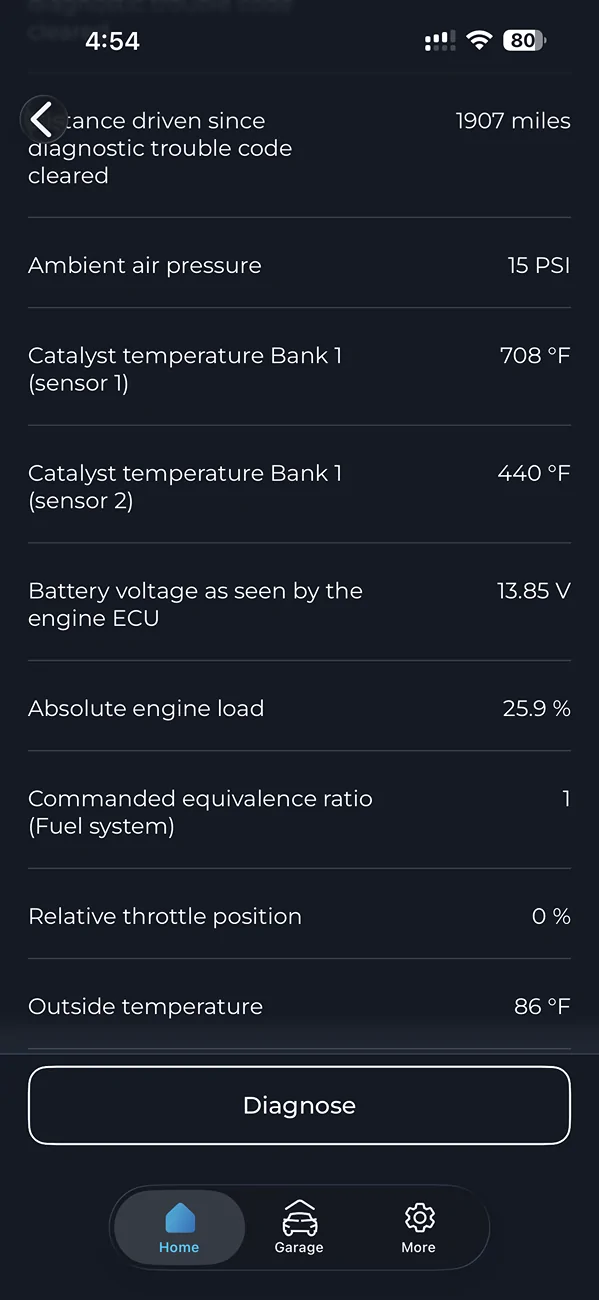
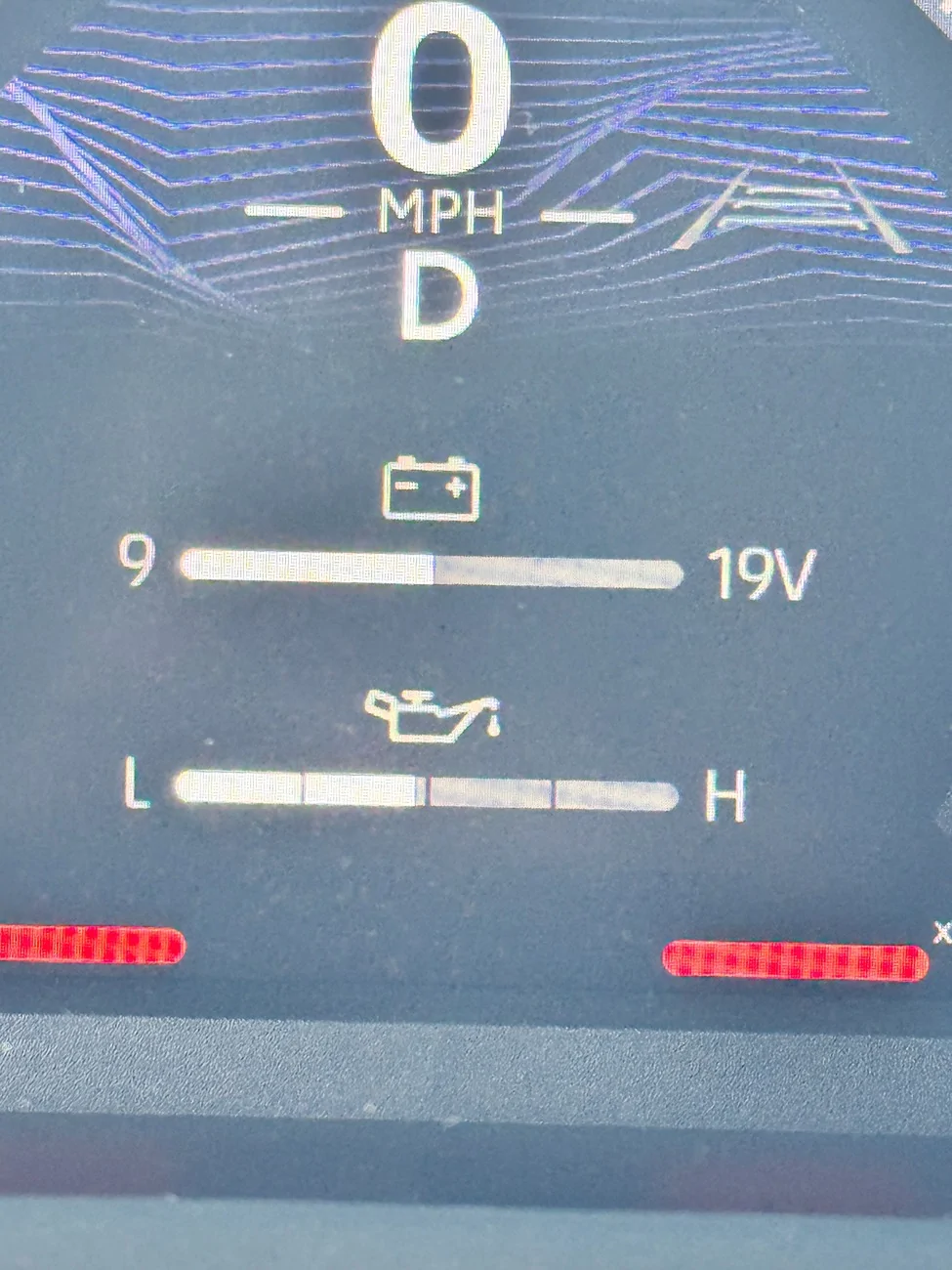
The charging voltage appears to be the same as the 5th gen, around 13.85V, while AGM batteries typically require around 14.4V–14.8V for proper charging.
Adding a diode can trick the charging system or more accurately, the vehicle's computer into increasing the charging voltage. However, the problem is that this can cause the vehicle to produce a higher voltage throughout the electrical system. That means everything from the cigarette lighter socket to the radio and headlights could potentially see the increased voltage.
This concerns me because it could potentially cause overheating or damage to electronic devices that may not be designed to handle the higher voltage.
So, what is the alternative to using a diode? Is there a safer and better way to properly charge an AGM battery in the 6th-gen 4Runner without increasing the voltage throughout the entire vehicle's electrical system?
I noticed the stock battery on my 25 SR5 is smaller than the tray it sits on, and wondered if a larger battery with more CCA could fit. I don’t know what size would fit so can’t compare the CCAs to my stock one. -50f and colder here in the winter does warrant as many COLD Cranking Amps as possible
The 5th Gen 4runner has 530 CC (530 CCA (OEM Panasonic brand) And it's 65Ah, but in size it feels bigger. I agree, 6gen 4runner battery in size looks smaller may be because of the bigger tray underneath.
The 6gen 4runner comes with 592 CCA with 70ah,which is a little higher in capacity.
I was planning to add an AGM battery to run a 12V refrigerator. If you drive daily for around 30 minutes, you should be able to run the refrigerator directly from the AGM starting battery without an issue for 2 to 3 days , and which would also save space.
AGM deep-cycle batteries have a good charge capacity, so I was hoping Toyota might have something new in the 6th generation 4Runner. Unfortunately, it seems Toyota tried to reinvent the wheel, but this is a major issue that they did not address.
As far as I understand, vehicles equipped with Stop & Start systems typically come with AGM batteries because of the additional electrical demands from systems such as electric steering, braking systems, A/C, and other electronic controls. Toyota should have considered using an AGM battery in the new 4Runner from the beginning, especially if the vehicle was truly designed -with off-roading and overlanding in mind.
The charging voltage appears to be the same as the 5th gen, around 13.85V, while AGM batteries typically require around 14.4V–14.8V for proper charging.
Adding a diode can trick the charging system or more accurately, the vehicle's computer into increasing the charging voltage. However, the problem is that this can cause the vehicle to produce a higher voltage throughout the electrical system. That means everything from the cigarette lighter socket to the radio and headlights could potentially see the increased voltage.
This concerns me because it could potentially cause overheating or damage to electronic devices that may not be designed to handle the higher voltage.
So, what is the alternative to using a diode? Is there a safer and better way to properly charge an AGM battery in the 6th-gen 4Runner without increasing the voltage throughout the entire vehicle's electrical system?
How much higher do these "diodes" actually increase voltage to? If you're talking less than ~15VDC, I'm very confident in saying the vehicle can handle it.