
- Thread starter
- #1
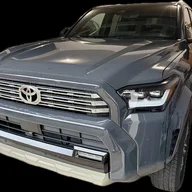
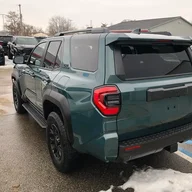
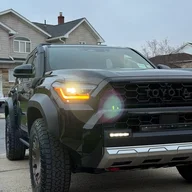
I just picked up a 2025 4Runner Trailhunter and figured I’d share my thought process in case anyone else is cross-shopping similar vehicles. I was strongly considering something like a BMW X5 in a similar price range, but ultimately went a different direction based on how I think about long-term ownership.
One of the biggest factors for me was long-term reliability and overall ownership experience. I know the new 4Runner gets some criticism for moving to a turbocharged 4-cylinder hybrid, especially coming from the old naturally aspirated V6. On paper, it sounds like added complexity in a platform that’s traditionally been known for simplicity. But when I looked into it more, I came away with a different perspective.
Toyota has been building 4-cylinder engines for decades, and they’re not new to forced induction either. Between global turbo applications and diesel platforms, this isn’t uncharted territory for them. More importantly, their hybrid systems are some of the most proven in the industry at this point. We’re talking about millions of vehicles over many years with a strong track record. Another thing that stood out to me is that Toyota didn’t chase bleeding-edge tech here—they went with a more proven battery chemistry rather than something newer and less tested. That tells me they prioritized durability and consistency over marketing specs.
Another major factor for me was the body-on-frame construction versus a unibody platform. This is something that doesn’t get talked about as much anymore, but it still matters depending on how you plan to use and keep the vehicle. With the 4Runner, you’re getting a true body-on-frame setup, which inherently brings advantages in terms of durability and real-world toughness. Even though I’m not planning to do hardcore off-roading, living in New York means dealing with rough winters, potholes, and unpredictable road conditions. That added robustness is something I value more than squeezing out a bit more on-road comfort.
It also comes down to long-term ownership and repairability. With a body-on-frame vehicle, you’re dealing with a separate frame and body, which can make certain repairs more straightforward compared to a fully integrated unibody structure where everything is tied together. The X5 and similar SUVs will absolutely have the edge in ride comfort and refinement, but for me, the durability and simplicity of a body-on-frame platform aligned better with how I plan to use and keep the vehicle.
Another big factor was repair costs and ease of ownership. In general, German vehicles tend to have higher parts costs and higher miscellaneous repair expenses. That’s just part of the ownership experience. With Toyota, parts availability and pricing are typically much more reasonable, and there’s a massive ecosystem around them. On top of that, I’m pretty hands-on, and DIY ability matters a lot to me. With something like a 4Runner, a lot of maintenance and even mid-level repairs are still approachable. There’s tons of documentation, community support, and fewer barriers to getting things done yourself.
That’s not always the case with something like a BMW. A lot of systems are more tightly integrated, and in many cases, you’re dealing with software-gated components or procedures that make DIY work more difficult or require specialized tools. That often pushes you back to the dealership or a specialist shop, which adds cost and dependency. For me, having a vehicle I can understand, maintain, and work on myself is a big part of the ownership experience.
The last factor for me was resale value, which I think is often overlooked. Historically, 4Runners and Tacomas have held their value extremely well, and that’s been consistent across multiple generations. I get that the new hybrid setup introduces some unknowns, but I specifically chose the Trailhunter trim because Toyota’s more limited or specialty trims—like TRD Pros—tend to hold their value better over time. There’s usually strong enthusiast demand and lower relative supply.
I also looked at real-world depreciation trends between something like a BMW X5 and a higher-end 4Runner trim, and historically it’s not even close. The X5 offers a ton upfront, but it depreciates significantly faster. The 4Runner tends to retain value much better, especially in more desirable trims. So unless this new generation turns out to be a complete outlier, I feel pretty confident that 8–10 years down the line, I’ll still have a solid amount of value left in the vehicle.
At the end of the day, it just came down to priorities. The X5 is an incredible vehicle—no question—but it leans more toward performance, tech, and luxury. The Trailhunter, on the other hand, felt like a complete, purpose-built system designed for longevity and real-world use. For me, that aligned better with how I think about ownership long-term.
That said, no platform is perfect, and there are a few things I’ve come across in my research that I’m still keeping an eye on.
The first is the move away from a traditional thermostat to a coolant control valve module, which appears to be a more complex, partially plastic assembly. From what I’ve seen on other platforms that use similar designs, these types of components can become wear items over time. I don’t think it’s the end of the world—replacement cost seems to be in the few-hundred-dollar range—but accessibility will matter a lot. If it’s relatively easy to get to, it’s just another maintenance item. If it’s buried, that could be more of a concern. Given that it’s an inline-four, I’m hoping there’s decent access, but I still want to look into that more.
The second thing I came across was mention of polymer components in the oil pump assembly. I haven’t been able to fully confirm whether that applies to this specific engine, so I don’t want to jump to conclusions. In general, I’m not a huge fan of polymer materials in rotating assemblies, but I also understand that modern engineering uses composites in very specific, controlled ways. If anyone has more concrete information on this, I’d definitely be interested to learn more.
The third item is related to piston ring design, specifically the use of thinner, lower-tension rings for efficiency. From what I understand, this is pretty common in modern engines to improve fuel economy and reduce friction, but it can sometimes come with trade-offs in terms of oil control over the long term. Again, I’m not claiming this is an issue here—I just know it’s a general industry trend and something I plan to keep an eye on as more of these engines accumulate mileage.
None of these are deal-breakers for me, but they are things I’ve noted as potential long-term considerations. If anyone has deeper technical insight into any of these points, I’d definitely appreciate the input.
To that same point, I do plan on being a bit more conservative with maintenance than the factory recommendations.
Instead of following the 10,000-mile oil change interval, I’ll likely stick to 5,000-mile oil changes. With modern engines—especially turbocharged ones—it just feels like a safer approach for long-term longevity.
I’m also coming up on about 1,000 miles, and I plan to do an early oil change to get rid of the initial break-in oil. The goal there is simply to minimize any residual metals or debris from the break-in period and start fresh early on.
It may be a bit overkill, but for me it’s cheap insurance if I’m planning to keep the vehicle long-term.
Curious to hear how others are approaching maintenance on these.
Disclaimer: I used ChatGPT to help organize my thoughts, but everything here reflects my own reasoning. Curious to hear what others think.
TL;DR
Chose a 2025 4Runner Trailhunter over a BMW X5 mainly for long-term ownership—prioritizing reliability, durability (body-on-frame), lower repair costs, DIY-friendliness, and strong resale value. While the new turbo hybrid setup is different, Toyota’s track record with 4-cylinders and hybrids gave me confidence.
I’m aware of a few potential long-term concerns (coolant control valve, possible polymer components, modern piston ring design), but none were deal-breakers.
Plan is to maintain it conservatively (5k oil changes + early 1k break-in change) and keep it long-term. Curious how others feel about the platform and how they’re approaching maintenance.
One of the biggest factors for me was long-term reliability and overall ownership experience. I know the new 4Runner gets some criticism for moving to a turbocharged 4-cylinder hybrid, especially coming from the old naturally aspirated V6. On paper, it sounds like added complexity in a platform that’s traditionally been known for simplicity. But when I looked into it more, I came away with a different perspective.
Toyota has been building 4-cylinder engines for decades, and they’re not new to forced induction either. Between global turbo applications and diesel platforms, this isn’t uncharted territory for them. More importantly, their hybrid systems are some of the most proven in the industry at this point. We’re talking about millions of vehicles over many years with a strong track record. Another thing that stood out to me is that Toyota didn’t chase bleeding-edge tech here—they went with a more proven battery chemistry rather than something newer and less tested. That tells me they prioritized durability and consistency over marketing specs.
Another major factor for me was the body-on-frame construction versus a unibody platform. This is something that doesn’t get talked about as much anymore, but it still matters depending on how you plan to use and keep the vehicle. With the 4Runner, you’re getting a true body-on-frame setup, which inherently brings advantages in terms of durability and real-world toughness. Even though I’m not planning to do hardcore off-roading, living in New York means dealing with rough winters, potholes, and unpredictable road conditions. That added robustness is something I value more than squeezing out a bit more on-road comfort.
It also comes down to long-term ownership and repairability. With a body-on-frame vehicle, you’re dealing with a separate frame and body, which can make certain repairs more straightforward compared to a fully integrated unibody structure where everything is tied together. The X5 and similar SUVs will absolutely have the edge in ride comfort and refinement, but for me, the durability and simplicity of a body-on-frame platform aligned better with how I plan to use and keep the vehicle.
Another big factor was repair costs and ease of ownership. In general, German vehicles tend to have higher parts costs and higher miscellaneous repair expenses. That’s just part of the ownership experience. With Toyota, parts availability and pricing are typically much more reasonable, and there’s a massive ecosystem around them. On top of that, I’m pretty hands-on, and DIY ability matters a lot to me. With something like a 4Runner, a lot of maintenance and even mid-level repairs are still approachable. There’s tons of documentation, community support, and fewer barriers to getting things done yourself.
That’s not always the case with something like a BMW. A lot of systems are more tightly integrated, and in many cases, you’re dealing with software-gated components or procedures that make DIY work more difficult or require specialized tools. That often pushes you back to the dealership or a specialist shop, which adds cost and dependency. For me, having a vehicle I can understand, maintain, and work on myself is a big part of the ownership experience.
The last factor for me was resale value, which I think is often overlooked. Historically, 4Runners and Tacomas have held their value extremely well, and that’s been consistent across multiple generations. I get that the new hybrid setup introduces some unknowns, but I specifically chose the Trailhunter trim because Toyota’s more limited or specialty trims—like TRD Pros—tend to hold their value better over time. There’s usually strong enthusiast demand and lower relative supply.
I also looked at real-world depreciation trends between something like a BMW X5 and a higher-end 4Runner trim, and historically it’s not even close. The X5 offers a ton upfront, but it depreciates significantly faster. The 4Runner tends to retain value much better, especially in more desirable trims. So unless this new generation turns out to be a complete outlier, I feel pretty confident that 8–10 years down the line, I’ll still have a solid amount of value left in the vehicle.
At the end of the day, it just came down to priorities. The X5 is an incredible vehicle—no question—but it leans more toward performance, tech, and luxury. The Trailhunter, on the other hand, felt like a complete, purpose-built system designed for longevity and real-world use. For me, that aligned better with how I think about ownership long-term.
That said, no platform is perfect, and there are a few things I’ve come across in my research that I’m still keeping an eye on.
The first is the move away from a traditional thermostat to a coolant control valve module, which appears to be a more complex, partially plastic assembly. From what I’ve seen on other platforms that use similar designs, these types of components can become wear items over time. I don’t think it’s the end of the world—replacement cost seems to be in the few-hundred-dollar range—but accessibility will matter a lot. If it’s relatively easy to get to, it’s just another maintenance item. If it’s buried, that could be more of a concern. Given that it’s an inline-four, I’m hoping there’s decent access, but I still want to look into that more.
The second thing I came across was mention of polymer components in the oil pump assembly. I haven’t been able to fully confirm whether that applies to this specific engine, so I don’t want to jump to conclusions. In general, I’m not a huge fan of polymer materials in rotating assemblies, but I also understand that modern engineering uses composites in very specific, controlled ways. If anyone has more concrete information on this, I’d definitely be interested to learn more.
The third item is related to piston ring design, specifically the use of thinner, lower-tension rings for efficiency. From what I understand, this is pretty common in modern engines to improve fuel economy and reduce friction, but it can sometimes come with trade-offs in terms of oil control over the long term. Again, I’m not claiming this is an issue here—I just know it’s a general industry trend and something I plan to keep an eye on as more of these engines accumulate mileage.
None of these are deal-breakers for me, but they are things I’ve noted as potential long-term considerations. If anyone has deeper technical insight into any of these points, I’d definitely appreciate the input.
To that same point, I do plan on being a bit more conservative with maintenance than the factory recommendations.
Instead of following the 10,000-mile oil change interval, I’ll likely stick to 5,000-mile oil changes. With modern engines—especially turbocharged ones—it just feels like a safer approach for long-term longevity.
I’m also coming up on about 1,000 miles, and I plan to do an early oil change to get rid of the initial break-in oil. The goal there is simply to minimize any residual metals or debris from the break-in period and start fresh early on.
It may be a bit overkill, but for me it’s cheap insurance if I’m planning to keep the vehicle long-term.
Curious to hear how others are approaching maintenance on these.
Disclaimer: I used ChatGPT to help organize my thoughts, but everything here reflects my own reasoning. Curious to hear what others think.
TL;DR
Chose a 2025 4Runner Trailhunter over a BMW X5 mainly for long-term ownership—prioritizing reliability, durability (body-on-frame), lower repair costs, DIY-friendliness, and strong resale value. While the new turbo hybrid setup is different, Toyota’s track record with 4-cylinders and hybrids gave me confidence.
I’m aware of a few potential long-term concerns (coolant control valve, possible polymer components, modern piston ring design), but none were deal-breakers.
Plan is to maintain it conservatively (5k oil changes + early 1k break-in change) and keep it long-term. Curious how others feel about the platform and how they’re approaching maintenance.
Sponsored